Stroke and Cerebrovascular Disease in Childhood

The field of stroke and cerebrovascular disease in children is one in which there has been much recent research activity, leading to new clinical perspectives.

This book for the first time summarizes the state of the art in this field. A team of eminent clinicians, neurologists and researchers provide an up-to-the-minute account of all aspects of stroke and cerebrovascular disease in children, ranging from a historical perspective to future directions, through epidemiology, the latest neuroimaging techniques, neurodevelopment, comorbidities, diagnosis and treatment. The authors’ practical approach to the clinical problems makes this essential reading for practising clinicians. It will also be of interest to researchers in the field.

International Review of Child Neurology Series No. 11

The Placenta and Neurodisability, 2nd Edition

Many neurodevelopmental deficits originate in the perinatal period and there is increasing awareness of the need to look to early life, including prenatal life, to understand the origins of cognitive development and risk of neurodegenerative and psychiatric diseases.

This comprehensive and authoritative book is structured in a logical way from pathology to clinical outcome. Throughout, information from the basic sciences is placed within the clinical context, and there is excellent use of illustrative figures and images.  Written by leading obstetricians, neonatologists, paediatricians and pathologists, this volume collates the ever-increasing evidence, both pathological and epidemiological, for the critical role of the utero-placenta in neurodisability, both at term and preterm. It encapsulates new advances in antepartum and perinatal imaging, new clinical aspects of fetal compromise, recent evidence of endocrine, haematological and inflammatory origins of utero-placental dysfunction, and possible cerebro-protective interventions. This text is essential reading for everyone concerned with child development and the in-utero origins of neurological disability.

  • Written by leading obstetricians, neonatologists, paediatricians and pathologists
  • Discusses the role of  placenta in the pathophysiology of CNS
  • Examines recent evidence of endocrine, haematological and inflammatory origins of utero-placental dysfunction
  • Reviews latest advances in antepartum and perinatal imaging

Readership

Obstetricians, neonatologists, pathologists and basic scientists.

Clinics in Developmental Medicine Series

The Epilepsy-Aphasia Spectrum

Landau Kleffner syndrome (LKS) is a rare childhood epilepsy, characterised by a sudden or gradual loss of ability to understand or express language.

Written by two world-renowned  authorities on childhood epilepsy, this book is aimed at the large range of professionals involved in the diagnosis, therapy and rehabilitation of children on the Epilepsy-Aphasia Spectrum (EAS). The book includes vivid first-hand accounts of the impact of language loss by adults who have grown up with LKS.

Readership

Epileptologists, psychiatrists, psychologists, neuropsychologists, speech and language therapists and trainees in those areas.

Full Book Review
Read the full book review by Michael Absoud and Gillian Baird published in Developmental Medicine and Child Neurology.

Clinics in Developmental Medicine Series

The Floppy Infant

This book is devoted to the recognition and diagnosis of the floppy infant syndrome. It includes a review of some of the more important causes and provides a practical approach to the assessment and management such children require.

Clinics in Developmental Medicine N0. 76

The Hemiplegia Handbook

Childhood hemiplegia affects up to one child in 1000. It is a condition affecting one side of the body caused by damage to the brain before, during or soon after birth (congenital hemiplegia) or later in childhood (acquired hemiplegia).

Until now there has been no book giving an overview of childhood hemiplegia for the people who are most affected by it – the children and young people themselves, and their parents, families, friends and teachers, as well as the professionals working with them on the management of their condition.

This highly accessible guide provides this overview, giving the background to how and why hemiplegia happens in children, outlining the different approaches to therapy, and setting out guidance on how to support the child or young adult with hemiplegia. It is practically orientated, answering many of the questions posed by families, carers and members of the interdisciplinary team involved with the children. It is invaluable both for parents and for medical and allied professionals.

  • Highly readable, practically orientated collaboration between a parent and a paediatrician
  • Accessible, straightforward explanations of nervous system development, what can go wrong, and the management options
  • Helpful overview of the practicalities of supporting the child or young adult with hemiplegia
  • Clearly outlines the different approaches to therapy
  • Valuable both for parents and carers and for the multidisciplinary team working with the child

Readership

Parents and carers; community health multidisciplinary teams; paediatricians (especially general and community); education professionals and social service interdisciplinary teams.

A Practical Guide from Mac Keith Press 

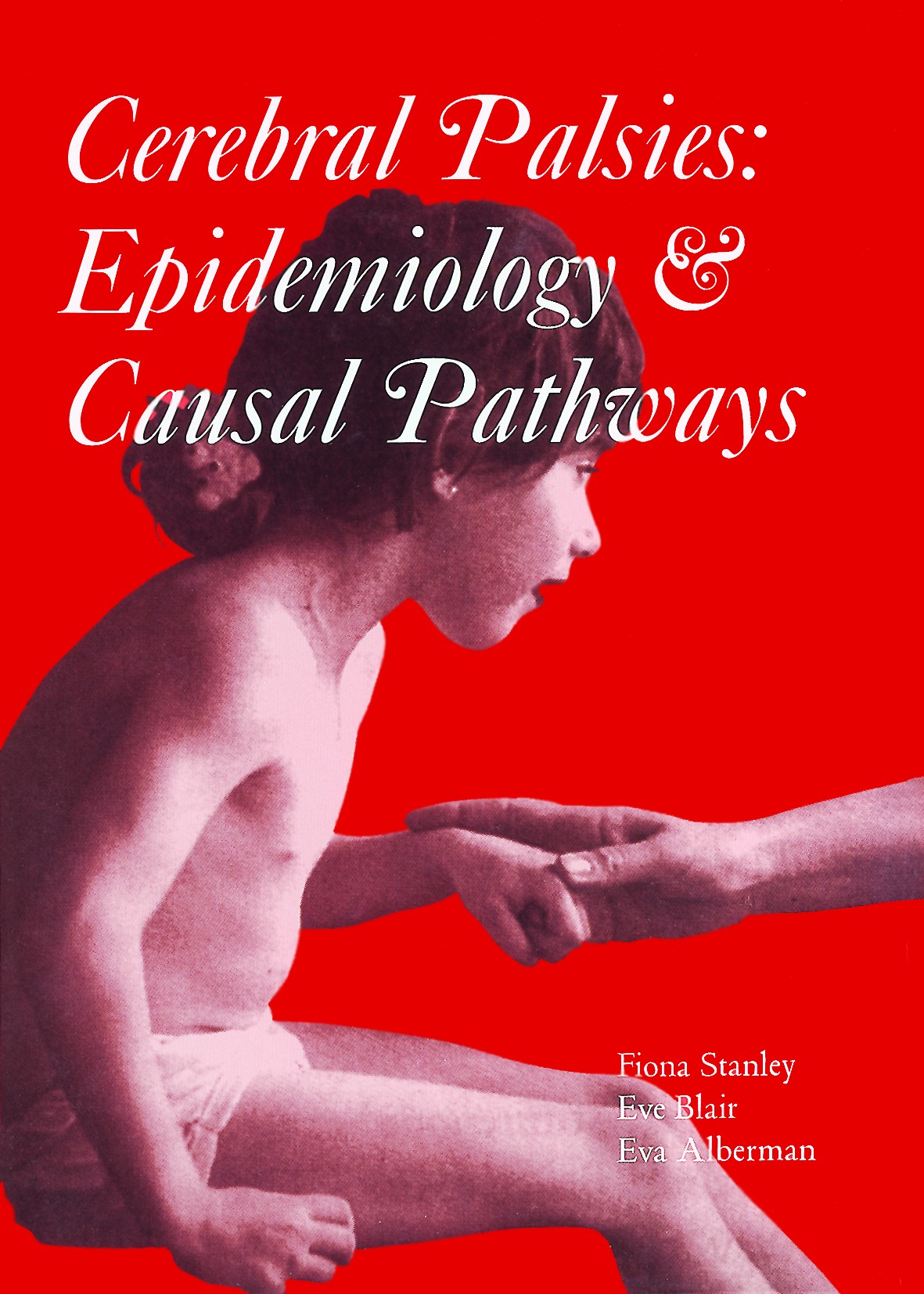
The Cerebral Palsies: Epidemiology and Causal Pathways

This is a specialist reference on the most common physical disability – the cerebral palsies. It reviews published data on trends, presents thinking on causal pathways in the cerebral palsies suggesting means of prevention, and reviews management options. It is an essential guide to good epidemiological research into cerebral palsies and related areas.

Clinics in Developmental Medicine No.151

Tics and Tourette Syndrome

Roger Freeman is considered a world expert in developmental neurology. In this book he shares his vast experience on tic disorders in an informal but highly informative style. He discusses recent advances in the identification and management of tic disorders that many clinicians may be unfamiliar with. Multiple illustrative case histories address many of the mistaken assumptions about tics that are made in everyday clinical practice. Extensive reference lists provide a rich resource for the both the clinician and the researcher.

Readership

Paediatricians working in neurodisability and child development, child and adolescent psychiatrists and psychologist, neurologists and other health professionals who manage patients with tic disorders.

Complete Book Review

Read the full book review by Tammy Hedderly published in Developmental Medicine & Child Neurology.

Tuberous Sclerosis Complex

‘This is clearly the most authoritative and contemporary statement of current knowledge yet published.’ H. Sarnat, Foreword

Tuberous sclerosis is the prototype of a category of malformations uniquely characterized by disturbances in cellular differentiation and growth. It presents with a complex association of different neurological phenotypes, including seizures, cognitive impairments and autism. It is important not only because it is a relatively common hereditary neurological disease with high morbidity, but because it has implications in other pathological processes, such as dysplasia and neoplasia, hamartoma formation and other disturbances in morphogenic processes.

This book correlates new genetic data and basic science, covers clinical presentation, reviews the historical background and current diagnostic criteria, and deals with the recent advances in neuropathology, molecular genetics and neurobiology which give a better understanding of the pathogenesis of the disease.

Readership

Paediatricians and child neurologists will find this book uniquely useful.

International Review of Child Neurology Series No. 6

Typical and Atypical Motor Development

Sugden and Wade, leading authors in this area, comprehensively cover motor development and motor impairment, drawing on sources in medicine and health-related studies, motor learning and developmental psychology.

A theme that runs through the book is that movement outcomes are a complex transaction of child resources, the context in which movement takes place, and the manner in which tasks are presented.

The core themes of the book involve descriptions of motor development from conception through to emerging adulthood, explanations of motor development from differing theoretical, empirical, and experiential perspectives, and descriptions and explanations of atypical motor development when the resources of the child are limited in some way.

Readership

Occupational therapists, physiotherapists, paediatricians, teachers (physical education, early childhood development, elementary education), educational psychologists, kinesiology and sports scientists.

Clinics in Developmental Medicine

Visual Impairment in Children due to Damage to the Brain

The increased awareness of cerebral visual impairment in children, combined with improved recognition of its wide ranging manifestations, has led to its recognition as the most common cause of visual impairment in children in the developed world. Yet the subject is in its infancy, with very little published to date. Information on this complex topic has been needed by all disciplines working with disabled children for many years.

This ambitious book links the work of authors from many of the major research teams in this field, who have made significant contributions to the literature on the subject of cerebral visual impairment and provide a structured amalgam of the viewpoints of different specialists.  The book contains some very novel concepts, which will be of great practical value to those who care for children with visual impairment due to brain injury. Summaries of the more specialist chapters as well as clear diagrams and a glossary have been provided to increase the book’s accessibility to a broader readership.

This is an exciting and important field, to which this book makes a major contribution.

Clinics in Developmental Medicine No. 186