
Virtual Issues
Virtual Issues are quarterly collections of previously-published articles on specific topics. Read our Virtual Issues on the following topics:
Ethics and Philosophy of Neurodevelopmental Conditions
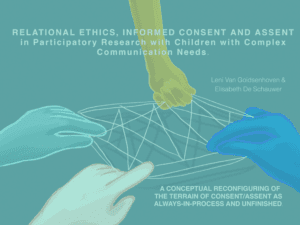
This virtual issue on ‘Ethics and Philosophy of Neurodevelopmental Conditions’ has been assembled in the context of the ERC-funded interdisciplinary research project NeuroEpigenEthics, run by Kristien Hens and hosted by the University of Antwerp and KU Leuven (Belgium) between 2018-2023. The selection of articles investigates the philosophy and ethics of neurodevelopmental diversity, such as ADHD, autism, and Tourette syndrome, while embracing the importance of first-person perspectives.
Read: Ethics and Philosophy of Neurodevelopmental Conditions
Richard Robinson: Lifelong contributor to DMCN
In our continuing endeavour to help children with neurological conditions, we can reflect on how much is owed to outstanding figures who helped develop the field. Richard Robinson is one such inspiring leader – a remarkable clinician, rigorous researcher, inexhaustible teacher, eclectic humanist, and major contributor to Mac Keith Press. As a tribute to his role and inspiration to the readership’s own practice, we have collected the papers he published in the journal over the years: original articles, case reports, annotations, commentaries, and other editorial pieces.
Epigenetic mechanisms in human growth, development, and disease
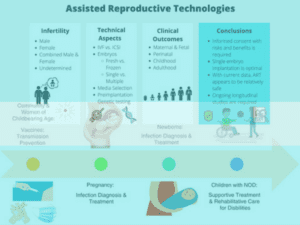
This diverse collection of ten papers all point to the role of epigenetics in disease, either directly or indirectly, presented in temporal order, from the most recent publication from 2021 backward to the first one in this series in 2017. It should be clearly recognized however, that these papers are just a basic introduction to a topic whose complexity will be probed for decades to come.
Read: Epigenetic mechanisms in human growth, development, and disease
Developmental changes in paediatric neurodisability: from concepts to diagnostics and therapy
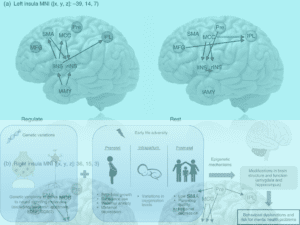
Many children are diagnosed with a neurodevelopmental disorder. In Western industrialized countries, 1 in 500 children has cerebral palsy (CP), 1 to 2 per 100 children has autism spectrum disorder (ASD), and 1 in 20 children has developmental coordination disorder (DCD). In June 2019 a workshop was organized in Groningen, the Netherlands, which dealt with changing concepts in paediatric neurodisability and the consequences for diagnostics and intervention. The participating experts were invited to write a review for this special Virtual Issue. This issue also contains five additional papers on the same theme.
Read: Developmental changes in paediatric neurodisability: from concepts to diagnostics and therapy
Mac Keith Press: 50th Anniversary

We have commissioned a short series of reflective articles to appear in each issue where authors will select a specific paper which has had a major effect on them or their practice. Most of these papers are classics with high numbers of citations.
Paediatric Stroke (2020 Update)
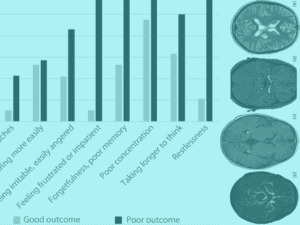
Many simple measures that could immediately improve quality of care (recognition, access to urgent imaging, supporting homeostasis) are often ignored in favour of trying to deliver high-risk, unproven interventions. Whilst collaboration is key to making progress in terms of gathering evidence, better understanding of the substrate underlying paediatric stroke and a clinical approach targeted to a specific stroke syndrome would bring care of paediatric stroke into the 21st century.
Cerebral Palsy Classification Systems
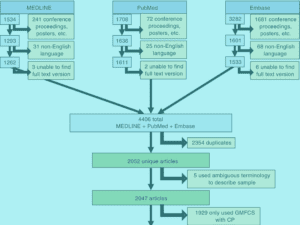
What the systems collated in this virtual issue have in common is that they have all been created and validated using principles of measurement science to establish their reliability (whether these systems are used consistently by different observers, including parents) and validity (whether and how well, based on evidence, they ‘do the job’ to discriminate ‘levels’ of functioning in their respective areas of activity, or, in the case of the GMFCS, their ability to predict later gross motor functioning from an early age).
Childhood Disability Across the World
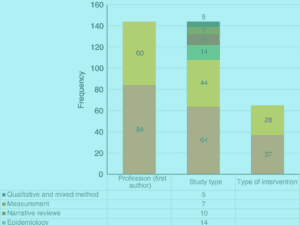
This Virtual Issue on ‘Childhood Disability Across the World’ has been assembled in relation to the 2nd Triennial Conference of the International Alliance of Academies of Childhood Disability (IAACD). This Virtual Issue on ‘Childhood Disability Across the World’ has been assembled in relation to the 2nd Triennial Conference of the International Alliance of Academies of Childhood Disability (IAACD).
New Technologies in Paediatric Neurodisability
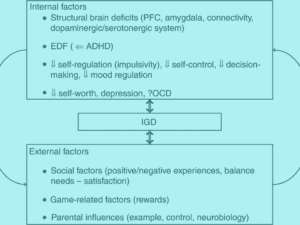
The common themes across the papers are that AVG, in its various forms, has great potential in delivering physical therapy, whether in a home setting using cheap(ish) commercially available gaming systems such as tablet-based games, the Wii Fit, and Xbox Kinect, or using expensive, often one-off, bespoke systems in therapeutic centres. Systematic reviews have used different outcome measures making comparison of results difficult.
Neonatal Neurology
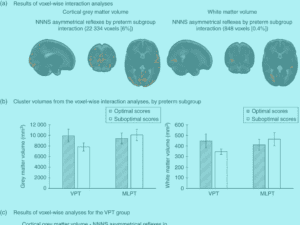
This collection of articles (and accompanying commentaries) illustrate the breadth of neonatal neurology and the importance for this field of a multidisciplinary and multispecialty approach in both the clinical and research setting.
Orthopaedic Management of Cerebral Palsy
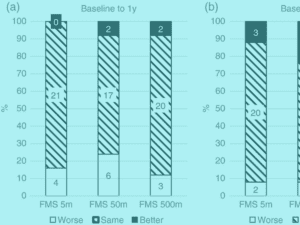
The papers in this Virtual Issue evaluate gait improvement management, quantifying changes utilizing the enhanced technical advances of 3-D computerized motion analysis. The emphasis is on the biomechanical aspects of pathological gait and how intervention on both the skeletal alignment (hip and foot) and the motor generators (muscles) impact clinical outcome in both short- and long-term follow-up.
Transition to Adulthood
In this Virtual Issue you will find papers on the topic of transition to adulthood. The work reflects the paradigm shift in our field: developmental medicine is no longer about children only. Developmental medicine is about the health and well-being of people living with child-onset neurodevelopmental conditions and their families over the life course. Developmental medicine is also about social inclusion, citizenship, community engagement, and other outcomes that are meaningful to these emerging adults with disabilities and their families.
Pain in Cerebral Palsy and Other Developmental Disabilities
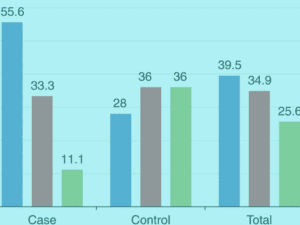
This virtual issue of Developmental Medicine & Child Neurology showcases papers which cover a range of topics including pain presentation, identification, and measurement, and the impact on health-related quality of life. These studies contribute to a growing body of pain literature in childhood disability which will hopefully lead to advances in evidence-based management.
Read: Pain in Cerebral Palsy and Other Developmental Disabilities
Epilepsy 2018 Update
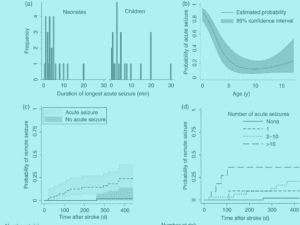
This Virtual Issue provides a range of reading that includes the genetics of epilepsy, structural malformations, possible pathogenic mechanisms, surgical outcomes, antiepileptic drugs, comorbidities, and developmental outcomes.
Early intervention: the power of parenting and practice in the light of the ICF-CY
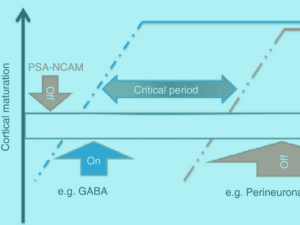
In April 2016, a workshop was organized in Groningen, the Netherlands, which dealt with early intervention in infants at high risk of developmental disorders, particularly those at high risk of CP. The meeting was structured on the framework of the WHO International Classification of Functioning, Disability and Health, Children & Youth Version (ICF-CY). This Virtual Issue in Developmental Medicine & Child Neurology is the product of that venture: many of the presenters summarized the state of the art in their research area in a concise review.
Read: Early intervention: the power of parenting and practice in the light of the ICF-CY
Dyskinetic Cerebral Palsy
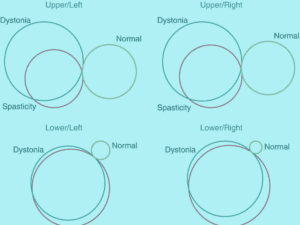
This Virtual Issue includes papers providing further insights and understanding of the clinical patterns and functional profiles of children with dyskinetic CP. Papers also focus on issues around identification, classification, and measurement of dyskinesia in CP. Importantly, the issue highlights the need to improve our recognition, measurement, and management of children with CP who present with both spasticity and dyskinesia, i.e. ‘mixed’ movement disorders.
Participation
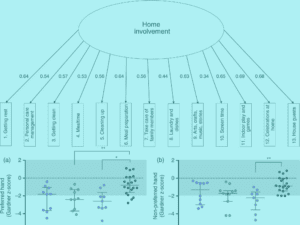
Participation is essential for children’s development. Children with disabilities are at high risk for restricted participation, with negative impact on their health and quality of life. The WHO International Classification of Functioning, Disability and Health for Children and Youth defines participation as ‘involvement in a life situation’. For children this includes participation in educational, social, recreational, and physical activities. Participation can be also considered as an index of physical and psychosocial health to be studied, by specific scales, as a major outcome measure for any intervention.
Autism (2017 Update)
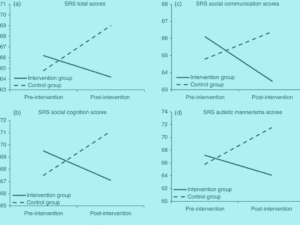
The challenges of the autism spectrum require the bringing together of a rich multi-professional body: a collaboration between basic scientists, clinicians, psychologists, teachers, and many others – including people with autism themselves, and their families, carers, and friends. This Virtual Issue of Developmental Medicine & Child Neurology captures the essence of that tapestry of knowledge, which is essential to the development of the field.
Encephalitis
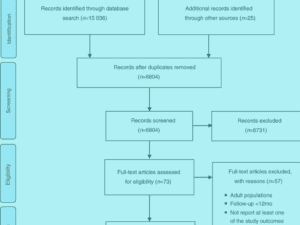
The last 10 years have seen an explosion in our understanding of encephalitis, particularly the primary autoimmune mechanisms, and the interplay between infection and secondary autoimmune injury. It has been fascinating as these research findings have translated through to clinical practice, with numerous implications for diagnosis and treatment. This Virtual Issue pulls together a number of interesting articles in this field.
Recent Advances in Developmental Medicine – Plain Language Summaries
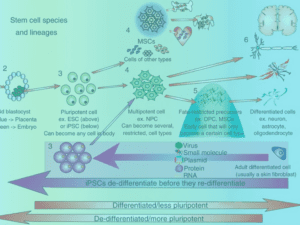
Articles in this DMCN Virtual Issue all have a plain language summary that is posted on the Scope website (http://www.scope.org.uk/support/professionals/medical). The papers cover a range of conditions, interventions, and research designs. Each has a succinct and accessible summary that can be readily digested to enable readers to decide if they want to know more. Each summary could go further to provide more plain language details, but all the papers have now passed their embargo period so are free to access.
Read: Recent Advances in Developmental Medicine – Plain Language Summaries
Interventions in Cerebral Palsy (2016 Update)
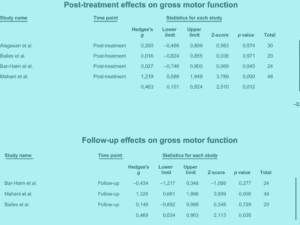
This 2016 update about intervention in CP includes a number of RCTs and reviews of evidence. Damiano’s paper thoughtfully contributes to the important research discussions. Specifically, the limitation of group outcomes from even the strongest study is problematic for clinical decision-making because the outcomes are interpreted on averaged results across all participants. This cannot inform about the efficacy – or detrimental effect – of the intervention on an individual. Single-subject research design (SSRD) can be used instead and, indeed, the AACPDM developed SSRD levels of evidence.
Mitochondrial Disorders
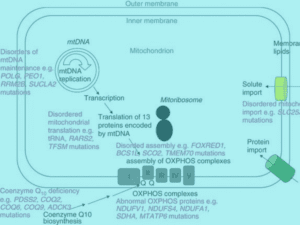
Mitochondria marched audaciously into the international arena in 2015 when the UK Parliament became the first to legalize mitochondrial donation in the face of huge controversy over ‘three parent babies’. This series of events provoked an invited talk at the British Paediatric Neurology Association (BPNA) meeting in 2015 entitled ‘Mitochondrial disease and its prevention – power, sex and politics’.
Cerebral Palsy Grows Up
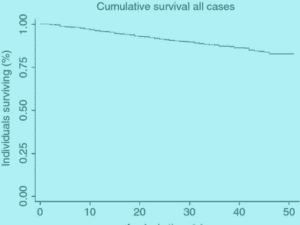
As official journal of the American Academy for Cerebral Palsy and Developmental Medicine (AACPDM), we are proud to present the excellent collection of papers in this Virtual Issue. They highlight the challenges and opportunities that everyone in the field must now address with as much vigour and rigour as has been brought to the issues of infants and young children with CP in the past 50 years.
Rett syndrome – in celebration of the work of Bengt Hagberg
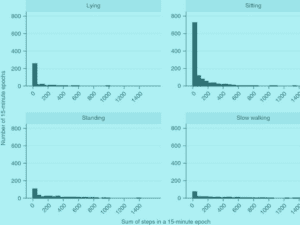
We dedicate this Virtual Issue to Bengt Hagberg in view of keeping alive the memory of his major contribution to the understanding of Rett syndrome, as of many other genetic and metabolic encephalopathies, and most of all his selfless dedication to children with neurodevelopmental disorders.
Read: Rett syndrome – in celebration of the work of Bengt Hagberg
Activity and Exercise Therapies
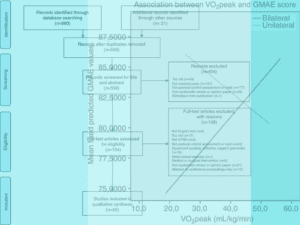
The present Virtual Issue of Developmental Medicine & Child Neurology focus on the importance of exercise for children with disabilities and what we can do to help them to become more active. Hopefully, the articles and presentations may be an inspiration for researchers and therapists so that we can make a collective and coordinated effort to move this important issue in the right direction.
Autism Spectrum Disorders
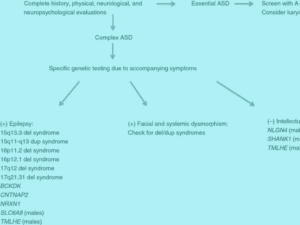
Many people with autism spectrum disorders do not consider themselves to be disabled, rather as seeing and understanding the world differently to other people, adding to the diversity of humanity. However, for some, aspects of autism can be challenging and present barriers to participation and quality of life, sufficient to ask the question: is autism curable?9 Goal setting and care planning with children and young people with autism spectrum disorders can contribute to improved outcomes in terms of participation in daily activities, social communication, and play that are relevant to them.
Paediatric Stroke
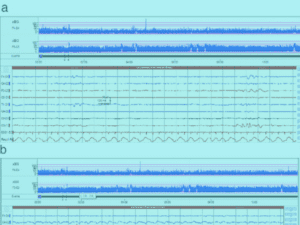
This Virtual Issue shows that DMCN has been attempting to redress this balance – just in the last year we had 11 articles (including reviews, original papers, commentaries, and a case report) covering paediatric stroke. All articles in this Virtual Issue are freely available and have been specially selected.
Orthopaedic Interventions in Cerebral Palsy – in celebration of the contribution of Mark Paterson
This Virtual Issue of Developmental Medicine and Child Neurology celebrates the contribution of Mark Paterson to the journal and to the wider activities of Mac Keith Press. Mark was a well-known children’s orthopaedic surgeon in the UK who died in October 2013, aged 59 years. Obituaries written by orthopaedic colleagues describe his life and various activities in the practice, education, and training of paediatric orthopaedics.
Selective Dorsal Rhizotomy
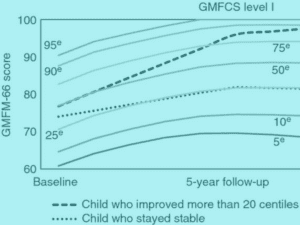
Selective dorsal rhizotomy (SDR) is a neurosurgical procedure which aims to reduce spasticity mainly in children diagnosed with bilateral spastic cerebral palsy (CP). Although it has been performed for more than three decades, its long-term efficacy remains a matter of debate. We present a selection of important studies examining short- and long-term outcomes together with critical appraisal of the level of current knowledge derived from studies in the field.
Hippotherapy and Therapeutic Horse Riding
There is some research evidence of observable benefits in terms of motor ability, balance, and postural adjustment. A limited number of studies have been carried out and many have the drawback of small numbers and lack of a control group. Some advocate the use of single-subject design. Conclusions about functional gains have often been somewhat tentative but there is sufficient interest in the discipline to examine the evidence and encourage further systematic study.
Epilepsy
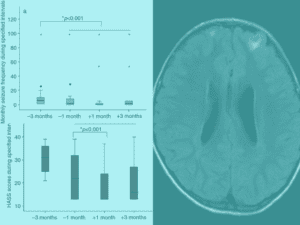
This Virtual Issue contains relevant and contemporary papers on ‘Epilepsy’ published in Developmental Medicine & Child Neurology. Epilepsy is the most common, serious neurological condition, affecting around 50 million people worldwide. There are over 40 different types of epilepsy consisting of at least 29 syndromes and a further 12 or so clinically distinct groups defined by the specific or underlying cause. There are at least 40 different seizure types and individuals may have one or several different variations. Many individuals with epilepsy also suffer from difficulties with intellectual function, behavior, and social communication.
Autism
This Virtual Issue includes relevant and contemporary papers on ‘Autism’ published in Developmental Medicine & Child Neurology. Autism spectrum disorders affect around one in one-hundred children and are characterized by lifelong impairments in social behaviour, communication, and cognitive function.
Evaluating Interventions in Cerebral Palsy
Cerebral palsy (CP) is the most common cause of physical disability in children and around 90% of children born with CP survive into adulthood. Various therapeutic approaches aim to meet the challenge of improving function and quality of life in individuals with CP. DMCN presents several recent papers which evaluate some recently developed interventions and contribute evidence to inform current and future practice.
Editor’s Choice
This Virtual Issue includes all the papers that have been chosen by Editor-in-Chief, Dr. Peter Baxter in the last year. These papers range widely, from autism spectrum disorder to sudden unexpected death in epilepsy, and are selected by the editor in each issue of DMCN to be of special interest or importance.