Ethics in Child Health: Paying attention to parental mental health: is this our responsibility?
£25.00 / year
Paying attention to parental mental health: is this our responsibility?
We recommend that you complete the ‘Introductory modules‘ before starting this module.
‘Paying attention to parental mental health: is this our responsibility?’ is part of the Ethics in Child Health series of short courses.
In the ‘Paying attention to parental mental health: is this our responsibility?’ module, you will learn about the central role that family members, particularly parents, play in determining the care received for their child.
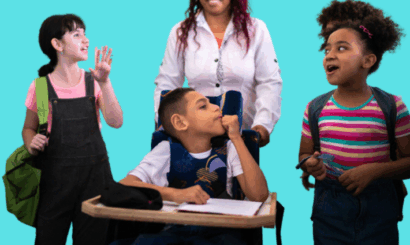
The young person (child or adolescent) is the patient. But young people may not be able to express their views – because they are too young, cannot fully comprehend the situation or the implications of the choices to be made;, and/or have difficulty communicating their preferences and perspectives. Additionally, young people may have different views to their caregivers, and both are important.
Therefore, family members, particularly parents, are central to all that we do. It is important both to identify parental concerns and distress and to help parents receive support for their own social and mental health issues as part of a family-centered care program.
Parenting any child comes with pride, sadness, disappointment, exhaustion and new energy. There are additional stressors when a child has a disability. But to help parents, we need to acknowledge the joy and fulfilment too. Many of the stressors that contribute to the difficulties parents face relate to lack of acceptance and inclusion of their child, and lack of practical and social support for themselves. (ie. social model for disability)
It is increasingly recognized that the physical and mental health of parents raising children with complex needs is at substantially greater risk than the health of comparable parents of well children. For these reasons it is essential that professionals learn to be able both to identify parental distress and to help parents receive support for their own social and mental health issues as part of a family-centered care program.
In the scenario that runs through this module the authors illustrate how, without specific attention to parental and family well-being, issues can fester and negatively affect everyone in the family.
Dinah S. Reddihough, Paediatrician, Royal Children’s Hospital, Melbourne; Honorary Professorial Fellow, The University of Melbourne; Group Leader, Developmental Disability & Rehabilitation Research, Murdoch Childrens Research Institute, Melbourne, Australia
Elise Davis, Associate Director, Jack Brockhoff Child Health and Wellbeing Program, Melbourne School of Population and Global Health, The University of Melbourne, Australia
-
We offer clinicians and other professionals a set of guiding principles that overlap with and complement principles of ‘best practice’ and practical clinical wisdom. The authors are distinguished experts drawn from all over Europe and North America. The emphasis throughout is on clinical methods, the use of appropriate investigations and treatments, and the avoidance of unnecessary or potentially harmful interventions:
- Complements your clinical training to improve knowledge and clinical practice in an important but often neglected area of practice;
- Newly-recorded original video content for an immersive and personal learning experience;
- Interact with the material by answering reflective activities to immerse yourself in a personal response to ethical issues;
- Read further with references and supplementary materials;
- Receive a PDF certificate on completion, and documents of your submitted responses and personal notes.
This online resource is designed to help clinicians, therapists, nurses, as well as parents and families, to place practical ethical thinking at the heart of care. It will be very useful for doctors and professionals in training or already involved in child healthcare, including paediatric neurologists and paediatricians in senior positions, child psychiatrists in training, developmental specialists, rehabilitation specialists and policymakers.
Related Books

Related Courses



Ethics in Child Health: Responding to requests for novel/unproven alternative and complementary treatments
Read more
Ethics in Child Health: The obligation to report child abuse or neglect is more complex than it seems
Read more