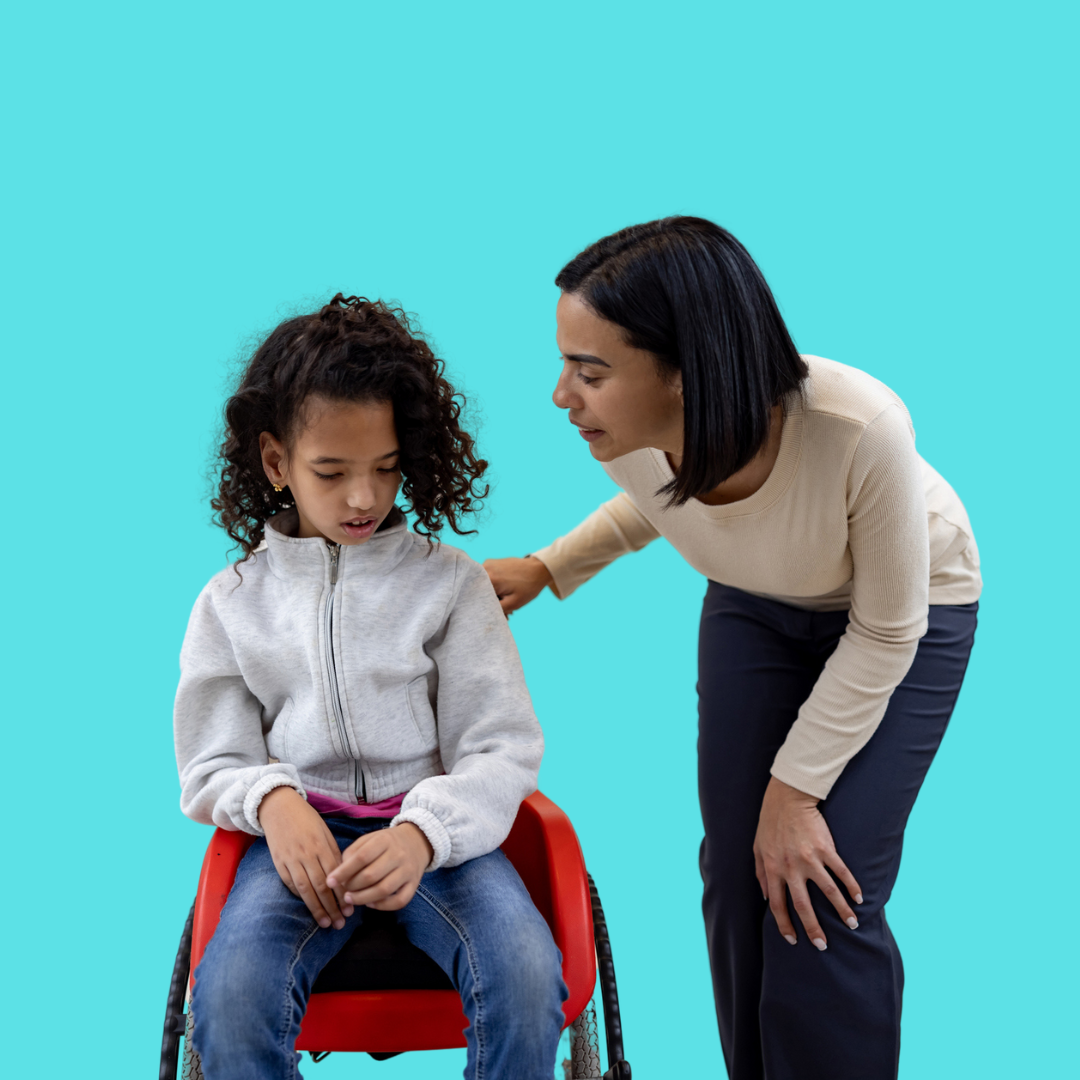
Ethics in Child Health: The obligation to report child abuse or neglect is more complex than it seems
£25.00 / year
Part of the Ethics in Child Health series of short courses | The obligation to report child abuse or neglect is more complex than it seems
The goal is to expand social workers’, health visitors’ and community paediatricians’ understanding of ethics by bringing to light different ways of thinking, including how to explore the complexity of what at first appears to be a simple decision. Each of the ideas discussed in this module represents a unique source of information upon which social workers and other healthcare practitioners can draw in order to critically analyse how to proceed..
The authors have purposefully not tried to arrive at a resolution to the ethical dilemma. Instead, they provide an ethical framework or set of tools to add to a decision-making toolbox that we hope helps readers reflect critically on how to proceed.
Professionals who work in child health have a legal responsibility to report suspected child abuse and neglect to the local child welfare authority.
This mandate can be experienced as conflicting with advocacy roles we fulfill in working with families of children with neurodisabilities. As we lean towards ‘tolerating’ and ‘understanding’ parental behaviours or attitudes that would not otherwise be considered acceptable, we are faced with a decision about how to respect the family as a whole vs. how to protect the safety of children.
We are confronted with the possibility that by reporting a family to child welfare authorities we risk doing more harm than good for the child and family. At the same time, we want to make sure that the child is protected from being harmed. In this chapter, Lach and Birnbaum address this issue in the context of social work teaching and practice. However, the analytical framework and principles they use are applicable to, and can easily be transferred to other health disciplines. We aim to unpack the complexity of the thought process that goes into deciding whether to refer vs. not to refer to the local child welfare authority by introducing viewers to the various sources of knowledge that inform this decision.
01 Introduction
02 Clinical scenario
03 Principles and the professional codes of ethics (video)
04 Professional and societal values
05 Codes of ethics
06 Theory
07 Psychosocial theory
08 Ethical theory
09 Legal context
10 Research
11 Self
12 Epilogue
13 Themes for discussion
Lucyna M. Lach, MSW, PhD, Associate Professor, School of Social Work, Faculty of Arts; Associate Member, Departments of Paediatrics, Neurology and Neurosurgery, Faculty of Medicine, McGill University.
Rachel Birnbaum, Ph.D., RSW, LL.M., Co-Director, Research Institute with Children, King’s University College at Western.
We offer clinicians and other professionals a set of guiding principles that overlap with and complement principles of ‘best practice’ and practical clinical wisdom. The authors are distinguished experts drawn from all over Europe and North America. The emphasis throughout is on clinical methods, the use of appropriate investigations and treatments, and the avoidance of unnecessary or potentially harmful interventions:
- Complements your clinical training to improve knowledge and clinical practice in an important but often neglected area of practice;
- Newly-recorded original video content for an immersive and personal learning experience;
- Interact with the material by answering reflective activities to immerse yourself in a personal response to ethical issues;
- Read further with references and supplementary materials;
- Receive a PDF certificate on completion, and documents of your submitted responses and personal notes.
This online resource is designed to help clinicians, therapists, nurses, as well as parents and families, to place practical ethical thinking at the heart of care. It will be very useful for doctors and professionals in training or already involved in child healthcare, including paediatric neurologists and paediatricians in senior positions, child psychiatrists in training, developmental specialists, rehabilitation specialists and policymakers.
Related Courses



Ethics in Child Health: Paying attention to parental mental health: is this our responsibility?
Read more
Ethics in Child Health: Responding to requests for novel/unproven alternative and complementary treatments
Read more