

Paediatric or Pediatric: that is the question
Rhonda Booth, Tara Murphy and Kathy Zebracki
In this blog post, Mac Keith Press authors, Rhonda Booth, Tara Murphy and Kathy Zebracki reflect on the cultural and clinical differences between the USA and Europe in the context of their new title: Paediatric Neuropsychology Within the Multidisciplinary Context.
It’s quite a surprise to be told that you’ve spelt the title of your own book incorrectly.
The Atlantic Ocean, almost 3000 miles / 7484 kilometres in width dividing Europe and the USA, brings with it some interesting and specific differences in language and policy. This was never more evident to us than as the three co-editors working together on the recently published book: Paediatric Neuropsychology Within the Multidisciplinary Context. Perhaps the most core example of this is the fundamental spelling and grammar question; is it paediatric or pediatric? Certainly, for one book reader in particular, the correct spelling was the US version and (kindly) pointed out that we must have spelt our book’s title incorrectly… after publication.
We had, of course, spent a great deal of time establishing what writing conventions we were going to use and how the final publication would look with Mac Keith Press; including the titular spelling. This interaction with the book reader was emblematic of the wider challenges various spellings and grammar played within the book but was also very much the tip of the iceberg.
Underlying ideologies, approaches to clinical practice, and writing styles all factored in when formulating the book. One of the key themes of our partnership in co-editing the publication was to synthesise these themes to draw on the strengths of various approaches and settings.
One of the major differences we encountered and one of the most widely known, is the different ways healthcare can operate as a privatised or nationalised system. What’s perhaps not as widely appreciated, is what privatised or nationalised means in terms of the influence large institutions can have on directionality and the focus and practice in research and clinical work. Countries in which health is largely or primarily funded by private healthcare such as the USA and Australia tend to be influenced by insurance companies, although of course, there are large government centres too. In contrast, in other countries such as the UK and France, which largely operate under a national healthcare system funded by the government, practice in research and clinical work is often driven by specialist guidelines such as the National Institute for Clinical Excellence (NICE). This comes with the caveat that often conditions which are rare, or research about them is rare, do not have guidelines and experience and clinical consensus drive assessment and treatment. This was a challenge for our co-authored chapters to harmonise their case formulations, as often we had authors who were based in systems funded and formed in different ways. This, however, was to be expected when working with a team of international experts for a global audience.
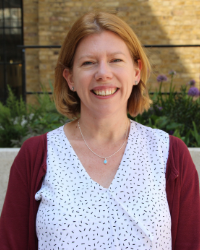
Moving beyond the chapter authors, the global influence of the book is reflected in its co-editors too. Between the three editors, we each come from different contexts. Rhonda Booth is from New Zealand and worked clinically in Auckland before moving to the UK, where she moved into academia. Kathy Zebracki is a clinician and academic from Chicago, USA, who works between clinical and academic contexts. Tara Murphy is Irish by background but has spent most of her professional life in London, UK – although, for three of the five years that the book took to edit, she lived in Uganda and on a small remote island in the South Atlantic Ocean. So, you can see, even amongst just us as the editors, there was always a good sense of a global influence at work.


Our background and experience were influential in shaping the book and made it stronger for having that global outlook from the start. A key component of this was blending the expertise of international clinical and academic experts in co-writing the chapters. In short, we committed to having as many authors as we could from as wide a range of regions and systems as possible.
We approached this holistically, pleased to include authors who worked in government funded health institutions, private practice settings, and academic contexts. As mentioned earlier this brought with it its own unique set of challenges around collaboration, but by approaching the chapters in this way, we hoped to be able to reach a broad readership and offer something familiar and possibly something different from their day-to-day experience. A primary motivation was to produce a book that was inspiring and relevant to both early career professions and also to those more seasoned and experienced, perhaps a reliable and welcome reference for new topics or an easily accessible medium to refresh existing expertise.
Looking to future editions of the book, we’ve already had constructive feedback, in addition to lots of positive and encouraging words. A recent reviewer suggested that we could have included a trans-chapter focus on the World Health Organization’s International Classification of Functioning, Disability and Health (ICF) model within the book. Looking back, this could have been a powerful and timely contribution.
Thank you for reading our post and we look forward to hearing your thoughts on Pediatric Paediatric Neuropsychology within the Multidisciplinary Context to see if we managed to accomplish crossing the great divide!
Rhonda Booth, Tara Murphy and Kathy Zebracki
Paediatric Neuropsychology Within the Multidisciplinary Context is available from the Mac Keith Press store now!

Rhonda Booth
Rhonda Booth is the Senior Teaching Fellow on an MSc that caters for both clinical and educational psychologists and psychology graduates. They are required to teach evidence-based practice and use experiences of clinicians to help illustrate this in practice. Rhonda has obtained funding through the Corpal charity to collate the research associated with agenesis of the corpus callosum and to communicate this to parents and interested practitioners in a straightforward manner.
Tara Murphy
Dr Tara Murphy is a Consultant Paediatric Neuropsychologist and Clinical Psychologist. She has worked at Great Ormond Street Hospital, London, England since 2003 co-leading Neuropsychology and services for children with tic disorders. Dr Murphy has also been involved in driving research in children with a range of neurodevelopmental and neuropsychological challenges. She has published more than 50 peer reviewed scientific articles and co-authored 3 books.
Kathy Zebracki
Chief of Psychology, Shriners Children’s Chicago, USA. Clinical Psychologist specializing in Pediatrics/Rehabilitation and an Adjunct Professor of Psychiatry and Behavioral Sciences at Northwestern University Feinberg School of Medicine. Former Board Member of the American Academy for Cerebral Palsy and Developmental Medicine. Board Member of the American Spinal Injury Association, as well as Chair of the Professional Advisory Council of the Illinois Spina Bifida Association. Fellow of the American Psychological Association (Division 54 Pediatric Psychology and Division 22 Rehabilitation Psychology).