Posted on Leave a comment

Multiple issues affect neurodevelopmental disabilities data and practice

Caring for Children with Neurodevelopmental DisabilitiesBanner (mid)

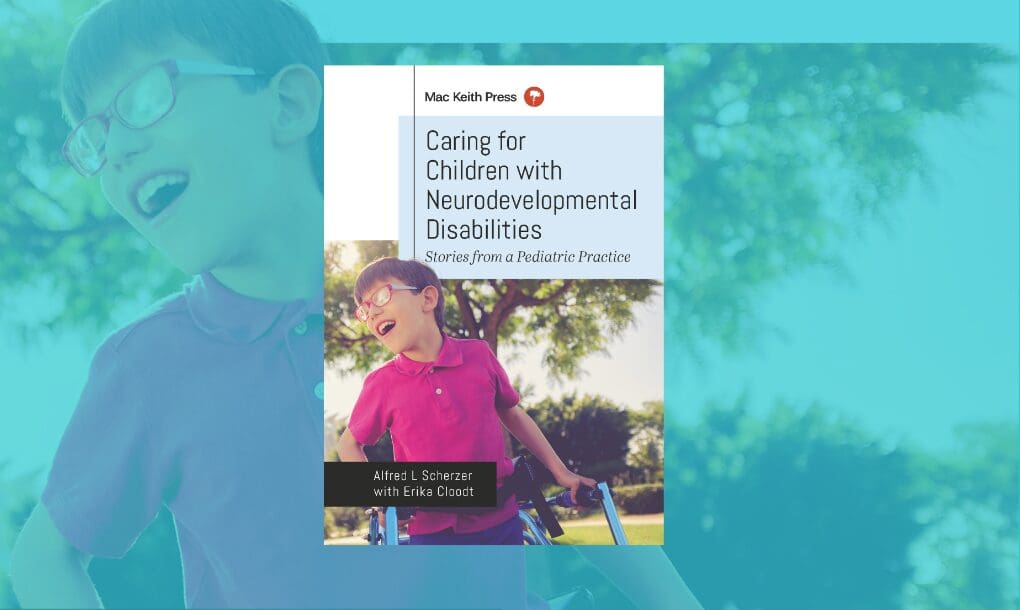
Neurodevelopmental disabilities (NDDs) are now a major focus in pediatrics, and an increasing concern in adult medicine. In our book, Caring for Children with Neurodevelopmental Disabilities: Stories from a Pediatric Practice, Erika Cloodt and I aimed at providing an opportunity for reflection on the field, education of the public, and teaching of professionals through living clinical experience of dealing with the many challenges we face.1,2

We hope that the stories may also stimulate reflection on broader issues concerning NDD clinical practice and accuracy of data about prevalence. Some of the issues that need to be identified and better understood by both the public and the professional are discussed below.

NDD labels (especially autism spectrum disorder and attention-deficit/hyperactivity disorder [ADHD]) are sometimes used to describe behavior perceived as ‘different’.3 We frequently hear comments such as, ‘Your kid is so active and must have ADHD’. ‘Only an autistic kid could do math but does not speak’. ‘I can’t concentrate, just like someone with ADHD, and need some pills’. Derogatory use of NDD diagnoses can also be noted frequently.

Public and professional understanding of NDD diagnoses may focus on observed behavior without sufficient attention to other aspects.

How NDDs are recognized, assessed, and managed across different medical specialties (e.g. pediatrics, neurology, psychiatry) may affect consistency of care for the child, and relationships with parents.

Diagnoses may be made by professionals through observation and history only without using established criteria such as the Diagnostic and Statistical Manual of Mental Disorders, Fifth Edition (DSM-5) or other sources with such criteria.

Professionals may be willing to accept expanded definitions of NDDs diagnoses (‘Doesn’t he seem to fit into autism?’) to meet the needs of the family.

Advocacy for a specific NDD diagnosis, needed services, and legislation, can be based on inaccurate NDD data, and adversely influence care.

Professionals may accept parental requests that an NDD diagnosis be given to obtain additional school time, special education, and therapy services.

Unproven or inappropriate therapies are increasingly available and are used
especially when a definite medical diagnosis has not been obtained.

Increasing public awareness of NDDs has also contributed to adult self-identification
with NDD diagnoses and self-medication, raising questions about adult access to assessment, support, and safe medical guidance.

While these issues have been recognized over years of clinical observation, there is no data that can explain, for example, the language and cultural impact of NDDs, or specifically
confirm validity, frequency, or modify these findings. It is essential that priority be given to
developing relevant studies that will make this possible.

Epidemiology of NDDs, particularly prevalence, is greatly impacted by some of these
findings, especially if currently available data are being used. Review of the above issues
noted over years of practice reveals variables that are usually not reported and could have
a great bearing on frequency of diagnoses or any other NDD data.

Finally, an additional dimension of the NDD stories in Caring for Children with Neurodevelopmental Disabilities is to stimulate a better understanding of these diagnoses and management, promote appropriate education of the public, and support continued education for professionals who practice in this challenging field.

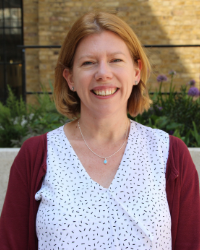
Alfred L Scherzer

Clinical Professor Emeritus of Pediatrics, Weill Cornell Medical College, New York, NY, USA; Past President, American Academy for Cerebral Palsy and Developmental Medicine (AACPDM).


Caring for Children with Neurodevelopmental Disabilities: Stories from a Pediatric Practice is available in paperback and as an ebook.

REFERENCES
1. Scherzer A, Cloodt E. Caring for Children with Neurodevelopmental Disabilities: Stories from a Pediatric Practice. London: Mac Keith Press, 2025.
2. Moulton T. Book Review: Scherzer A, Cloodt E. Caring for Children with Neurodevelopmental Disabilities: Stories from a Pediatric Practice. Dev Med Child Neurol. 2026, 68: 869.
3. Scherzer A. Medicalization and being ‘different’. Dev Med Child Neurol. 2023. 65: 437.
Posted on Leave a comment

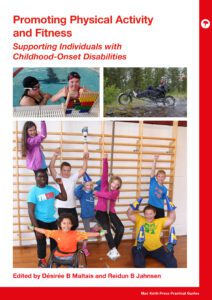
A year on: the journey of Promoting Physical Activity and Fitness by Désirée B. Maltais, Linda Sandstrom and Reidun Jahnsen

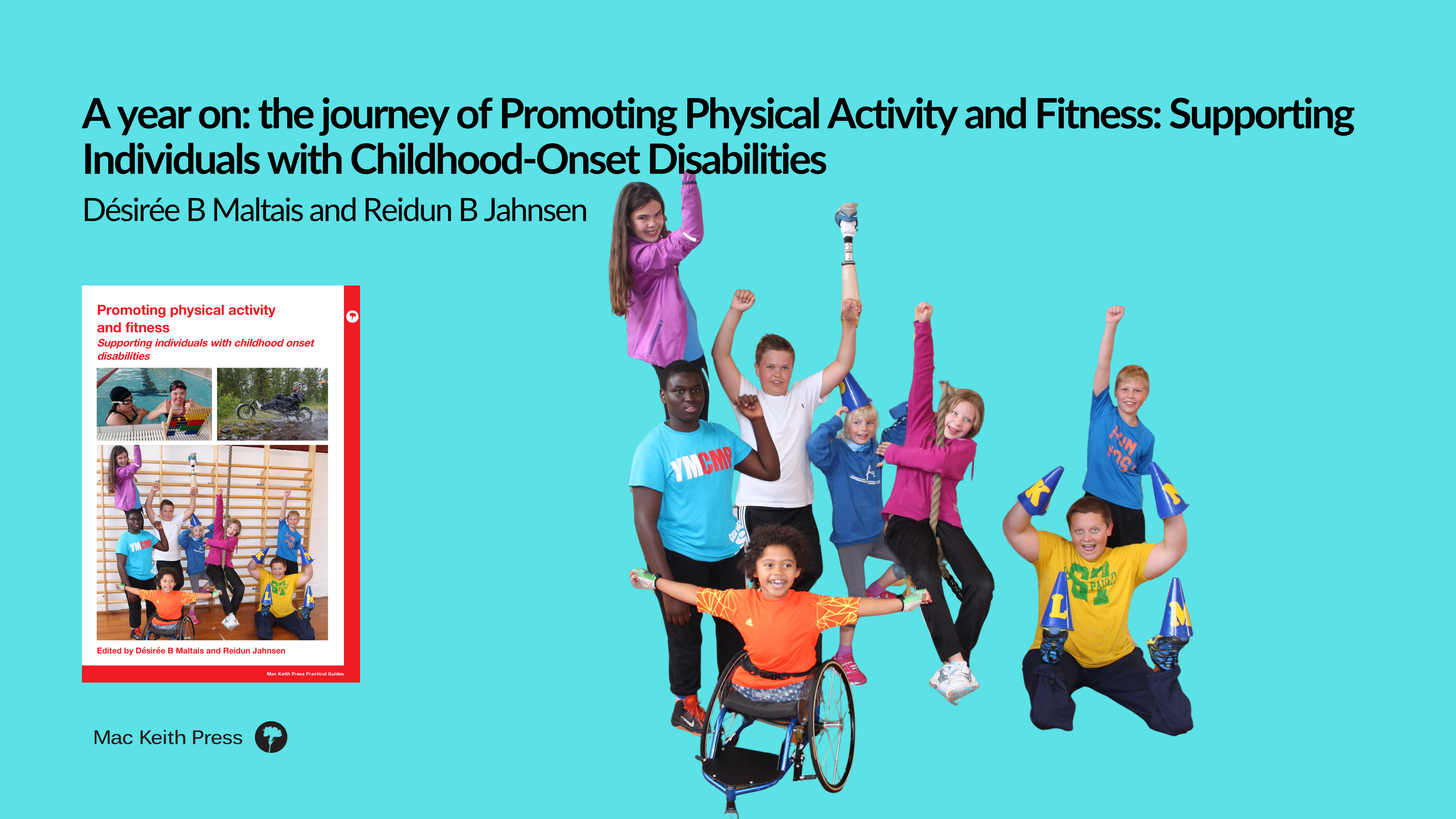
After several years in the making, the book Promoting Physical Activity and Fitness: Supporting Individuals with Childhood-Onset Disabilities was published in March 2023! Twenty-six authors, including the two editors, contributed to the book by providing our intended readers, people living with these disabilities, their families and the professionals who support them (health care workers, educators and community coaches and volunteers) with scientific evidence as well as with clinical and lived experience relevant to physical activity and fitness promotion. The book is an international collaboration, and we are grateful to the authors and the staff at Mac Keith Press for their support of the project and for their day-to-day support of people living with a childhood onset disability and their families. As we reflect on our experience of bringing our publication to fruition, we are also reminded of how it took place within the context of our own lives, with its challenges such as the COVID pandemic, the loss of loved ones, and illnesses as well as with its joys such as births, adoptions and professional accomplishments.

Since the book was published, we have been working with Mac Keith Press to get the word out. The editors produced a podcast that explains the book’s aims, intended audience, origins, content, structure, key messages and impact. It is available on YouTube here.

The book was presented at the Mac Keith Press kiosk at conferences of interest to our readers in 2022 and 2023. These included those of the European Academy of Childhood Disability (EACD) in Barcelona (2022) and Ljubljana (2023) and the American Academy for Cerebral Palsy and Developmental Medicine (AACPDM) in Las Vegas (2022) and Chicago (2023). While at the EACD conference in Ljubljana, Reidun Jahnsen participated in a podcast produced by Curtin University in Perth, Australia where she discussed the book. The book was also introduced to pediatric physical therapists working in Quebec, Canada at a provide-wide clinical conference. As part of this introduction, Désirée B. Maltais produced a short video to highlight the book’s contents. In addition, the book was promoted at the International Symposium of Adapted Physical Activity (ISAPA) in New Zealand in June 2023.

In Scandinavia, the big launch of the book took place during an international symposium on “participation research” (CAPA2022 –“Capturing the magic – Participation for all”) that was held in the Beitostølen Healthsports Center, which is situated in the magnificent Norwegian mountains. This was the perfect place for the launch given that four professionals at the Center are authors of five chapters in the book and the main intervention at the Center is adapted physical activity and the Center welcomes 200 multi professional interns every year. We hope these students become avid readers of the book and promoters of its contents!

After the launch in Beitostølen, the book was also presented to members of the Swedish Cerebral Palsy Association (CP Sweden). The book has also been introduced to healthcare professionals working with individuals with disabilities in northern Sweden and has been featured in lectures for physiotherapy students at Luleå University of Technology and at Laval University in Quebec City, Canada.

Linda Sandström, who has lived experience of cerebral palsy says: “I have benefited from the book as my current personal trainer, who assists me with my habilitation training due to my left-sided unilateral cerebral palsy, read the book. She gained valuable new knowledge and ideas regarding modified and adapted training and testing to make my workouts more effective and safer. The book also provided her with confirmation that what we were already doing was good and aligned with scientific principles.”

Promoting the book is our current focus. We are also reflecting on where we go from here to help support implementation of the recommendations in the book. Any comments from blog readers would be greatly appreciated!

Promoting Physical Activity and Fitness by Désirée B. Maltais and Reidun Jahnsen is available to buy in paperback or eBook.


Posted on Leave a comment

Eighteen months on – the journey of Children with Vision Impairment: Assessment, Development, and Management

DVC team

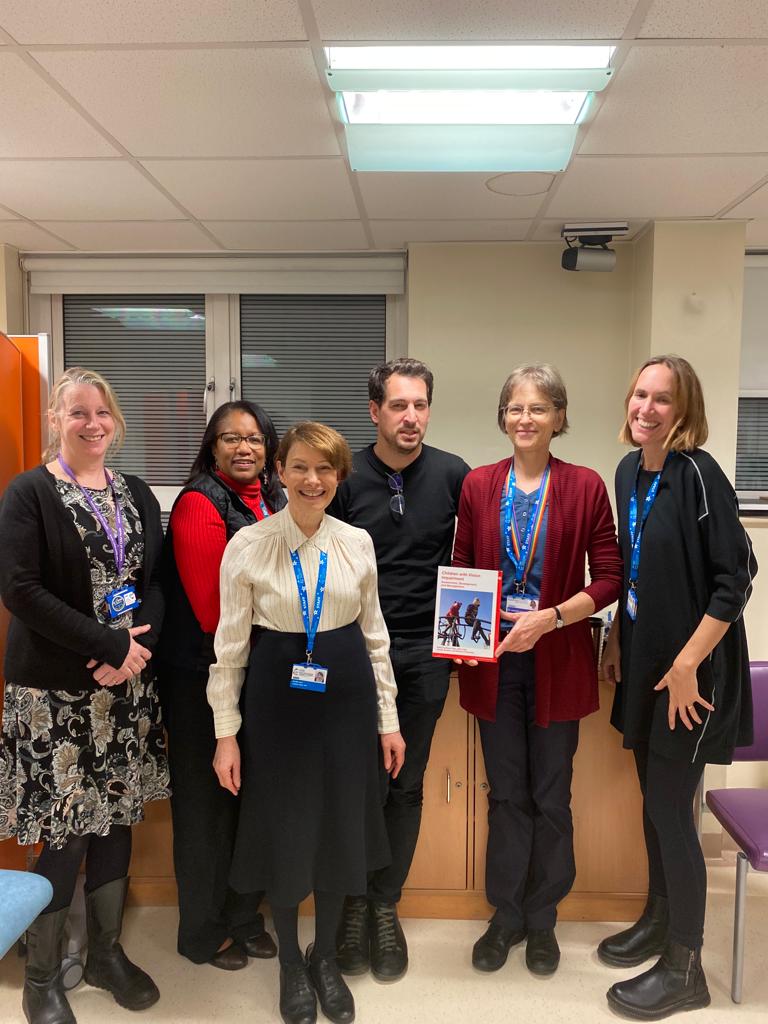
It seems incredible that 18 months have passed since this book was published! Children with Vision Impairment has had quite the journey as we, the editors, have continued to collaborate with fellow clinicians and educators. The book travelled to the EACD 2022 in Barcelona, for its official launch, and to the EACD 2023 in Ljubljana, where signed copies were included as part of a special prize draw. Our book was also represented at the BPNA 2023 meeting in Edinburgh, and at Vision 2022/International Society for Low Vision Research and Rehabilitation Dublin where we were the only book available for inspection. More recently, we introduced our book to the Child Vision Research Society 2023 at UCL London, organised by Naomi and Alison, with fantastic support from some of our authors. We were also delighted to have a stall by Mac Keith Press, which introduced Children with Vision Impairment to a new audience of ophthalmologists, optometrists, paediatricians, habilitation workers, neuropsychologists, and others.

We have also learned some valuable lessons along the way about book haulage, marketing, and selling, with some unexpected challenges! At the Barcelona conference, for instance, we were frustrated by a two-day delivery delay, meaning that the Mac Keith book package got stuck en route in an import/export warehouse. At another conference, Naomi was a bit concerned when the stand copy of the book went ‘missing’, but she was reassured by Mac Keith staff that ‘only the best books’ go walking!

Over the last 18 months, we’ve also taken stock of our unique experiences, as the editors and authors of a ‘covid pandemic’ book. These memories will stay with us forever. We were all active clinicians and educators at the time the book was finalised, striving to keep our practice going in the most difficult of environments. We were based in several locations around the world – in England, Europe, the USA, and Australia – and many of us were continuing to work while waves of covid infection spread throughout our communities. None of us could have predicted the impact on our personal, family, and professional lives, and certainly not when we initially agreed and were contracted to write this book. But far from deterring us, these trials spurred an even greater passion and determination within us to write and complete Children with Vision Impairment, however demanding it was. We hope that this publication continues to spread a special spark amongst readers and to fuel a collective commitment towards research and practice, to guide the clinicians and researchers of the future. We are very grateful to our Mac Keith Press colleagues for pursuing this goal with us, and for supporting and championing our work as we move forward.

Looking back, what was it that we wanted to achieve? In a nutshell, we wanted to produce a ‘one stop’ multidisciplinary clinical and educational practice guide for childhood visual impairment, that was up-to-date and that encompassed the evidence-based, partnership, habilitative ICF-CYP model of national and international relevance to all our countries. For instance, certain chapter authors discussed how to adapt our methods to low-resource and low-income countries. As a collective author Faculty, moreover, we learned from one another and helped to shape our thinking, research, and practice, and we strengthened partnerships and forged new collaborations.

We now hope that our book project will inform colleagues’ practice and research across the world, our aim being to amplify the voices of children and young adults with visual impairment as well as their parents. We are interested in follow-up initiatives such as practice podcasts, and we would love to hear from our readers about relevant projects, events, or networks. So, please do get in touch if you’d like to collaborate and to continue the journey started by Children with Vision Impairment! The last 18 months have shown us that its legacy will be rich and long-lasting.

Naomi Dale, Alison Salt, Jenefer Sargent, Rebecca Greenaway (Editors)

📷Left to right: Elaine Clarke, Ngozi Oluonye, Naomi Dale, Stephen Rose, Jenefer Sargent, and Rebecca Greenaway. Great Ormond Street Hospital for Children, Developmental Vision Clinic team.

Posted on

Paediatric or Pediatric: that is the question

Paediatric or Pediatric: that is the question

Rhonda Booth, Tara Murphy and Kathy Zebracki

In this blog post, Mac Keith Press authors, Rhonda Booth, Tara Murphy and Kathy Zebracki reflect on the cultural and clinical differences between the USA and Europe in the context of their new title: Paediatric Neuropsychology Within the Multidisciplinary Context.


It’s quite a surprise to be told that you’ve spelt the title of your own book incorrectly.

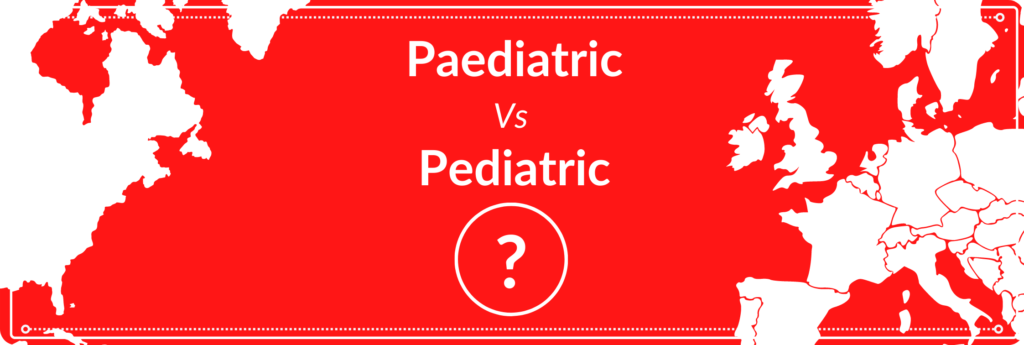
The Atlantic Ocean, almost 3000 miles / 7484 kilometres in width dividing Europe and the USA, brings with it some interesting and specific differences in language and policy. This was never more evident to us than as the three co-editors working together on the recently published book: Paediatric Neuropsychology Within the Multidisciplinary Context. Perhaps the most core example of this is the fundamental spelling and grammar question; is it paediatric or pediatric? Certainly, for one book reader in particular, the correct spelling was the US version and (kindly) pointed out that we must have spelt our book’s title incorrectly… after publication.

We had, of course, spent a great deal of time establishing what writing conventions we were going to use and how the final publication would look with Mac Keith Press; including the titular spelling. This interaction with the book reader was emblematic of the wider challenges various spellings and grammar played within the book but was also very much the tip of the iceberg.

Underlying ideologies, approaches to clinical practice, and writing styles all factored in when formulating the book. One of the key themes of our partnership in co-editing the publication was to synthesise these themes to draw on the strengths of various approaches and settings.

One of the major differences we encountered and one of the most widely known, is the different ways healthcare can operate as a privatised or nationalised system. What’s perhaps not as widely appreciated, is what privatised or nationalised means in terms of the influence large institutions can have on directionality and the focus and practice in research and clinical work. Countries in which health is largely or primarily funded by private healthcare such as the USA and Australia tend to be influenced by insurance companies, although of course, there are large government centres too. In contrast, in other countries such as the UK and France, which largely operate under a national healthcare system funded by the government, practice in research and clinical work is often driven by specialist guidelines such as the National Institute for Clinical Excellence (NICE). This comes with the caveat that often conditions which are rare, or research about them is rare, do not have guidelines and experience and clinical consensus drive assessment and treatment. This was a challenge for our co-authored chapters to harmonise their case formulations, as often we had authors who were based in systems funded and formed in different ways. This, however, was to be expected when working with a team of international experts for a global audience.

Moving beyond the chapter authors, the global influence of the book is reflected in its co-editors too. Between the three editors, we each come from different contexts. Rhonda Booth is from New Zealand and worked clinically in Auckland before moving to the UK, where she moved into academia. Kathy Zebracki is a clinician and academic from Chicago, USA, who works between clinical and academic contexts. Tara Murphy is Irish by background but has spent most of her professional life in London, UK – although, for three of the five years that the book took to edit, she lived in Uganda and on a small remote island in the South Atlantic Ocean. So, you can see, even amongst just us as the editors, there was always a good sense of a global influence at work.

Our background and experience were influential in shaping the book and made it stronger for having that global outlook from the start. A key component of this was blending the expertise of international clinical and academic experts in co-writing the chapters. In short, we committed to having as many authors as we could from as wide a range of regions and systems as possible.

We approached this holistically, pleased to include authors who worked in government funded health institutions, private practice settings, and academic contexts. As mentioned earlier this brought with it its own unique set of challenges around collaboration, but by approaching the chapters in this way, we hoped to be able to reach a broad readership and offer something familiar and possibly something different from their day-to-day experience. A primary motivation was to produce a book that was inspiring and relevant to both early career professions and also to those more seasoned and experienced, perhaps a reliable and welcome reference for new topics or an easily accessible medium to refresh existing expertise.
Looking to future editions of the book, we’ve already had constructive feedback, in addition to lots of positive and encouraging words. A recent reviewer suggested that we could have included a trans-chapter focus on the World Health Organization’s International Classification of Functioning, Disability and Health (ICF) model within the book. Looking back, this could have been a powerful and timely contribution.

Thank you for reading our post and we look forward to hearing your thoughts on Pediatric Paediatric Neuropsychology within the Multidisciplinary Context to see if we managed to accomplish crossing the great divide!

Rhonda Booth, Tara Murphy and Kathy Zebracki

Paediatric Neuropsychology Within the Multidisciplinary Context is available from the Mac Keith Press store now!

Rhonda Booth

Rhonda Booth is the Senior Teaching Fellow on an MSc that caters for both clinical and educational psychologists and psychology graduates.  They are required to teach evidence-based practice and use experiences of clinicians to help illustrate this in practice. Rhonda has obtained funding through the Corpal charity to collate the research associated with agenesis of the corpus callosum and to communicate this to parents and interested practitioners in a straightforward manner.

Tara Murphy

Dr Tara Murphy is a Consultant Paediatric Neuropsychologist and Clinical Psychologist. She has worked at Great Ormond Street Hospital, London, England since 2003 co-leading Neuropsychology and services for children with tic disorders.  Dr Murphy has also been involved in driving research in children with a range of neurodevelopmental and neuropsychological challenges. She has published more than 50 peer reviewed scientific articles and co-authored 3 books.  

Kathy Zebracki

Chief of Psychology, Shriners Children’s Chicago, USA. Clinical Psychologist specializing in Pediatrics/Rehabilitation and an Adjunct Professor of Psychiatry and Behavioral Sciences at Northwestern University Feinberg School of Medicine. Former Board Member of the American Academy for Cerebral Palsy and Developmental Medicine. Board Member of the American Spinal Injury Association, as well as Chair of the Professional Advisory Council of the Illinois Spina Bifida Association. Fellow of the American Psychological Association (Division 54 Pediatric Psychology and Division 22 Rehabilitation Psychology).

Posted on

Cerebral palsy: more than a definition?

Cerebral palsy: more than a definition?

In this blog post, Mac Keith Press authors, Martin Gough & Adam Shortland examine the definition of cerebral palsy. The emphasis of the piece is on cerebral palsy’s variation from person to person and that its presence is not captured by a single definition or description


What do we mean by the terms ‘disease’ or ‘condition’? Cohen (1953) suggested that there are two main disease concepts.  Disease may be viewed as a distinct entity, so that if a person A has a disease they become ‘A plus B’, where ‘B’ is a disease.  Disease may also be viewed as a deviation from a perceived ‘normality’ due to a number of factors (x1, x2, x3…). The attraction of Cohen’s first concept may be the implicit possibility of a disease-free state or ‘cure’: if a disease is viewed as ‘A plus B’ then removal of ‘B’ with a resulting restoration of ‘A’ is theoretically possible.  This concept may involve an assumed anatomical localisation of ‘B’ which may then become the target of therapeutic intervention.  An ‘A plus B’ concept of person and disease, together with an assumed anatomical localisation of ‘B’, may explain the clinical concept and approach to spasticity in children with cerebral palsy.  Cohen’s second concept, that of disease as a deviation from a perceived ‘normality’, may be represented in the context of children with cerebral palsy by the popular concept of the potential normative power of ‘plasticity’: in this situation however, there is an implicit assumption that rather than true ‘plasticity,’ any changes that occur will be in a positive direction only and will act to restore the expected normative development of the child.

Baron (1981) noted that the medical paradigm may be seen as a functional abstraction with three basic elements: ‘a physician, a patient, and a disease… which each come to be seen as fundamental elements in and of themselves’: ‘physicians then look through their patients to discover the underlying pure disease….what starts out as a heuristic model becomes an ontological fallacy’.  This view was shared by Foucault (2003): ‘Paradoxically, in relation to that which he is suffering from, the patient is only an external fact: the medical reading must take him into account only to place him in parentheses’. 

A definition of cerebral palsy as a condition which is somehow separate from the child, and which focuses on the ‘what it is’ of cerebral palsy, can obscure the child’s experience (or the ‘that it is’) of cerebral palsy which exceeds and is not captured by our definition and is in this way idiotic.  This concept of idiocy (Desmond 2012) is derived from the Greek ‘idios’ which means “one’s own, personal, private”, with the noun “idiotes” indicating a private person.  Cerebral palsy can be seen as idiotic in that it is a unique or singular experience for each child which cannot be fully determined or captured by any definition we use.

Photograph taken by Martin Gough whilst in Yorkshire. Children have imprinted their own faces on the tiles.

This would seem to be an intellectual impasse: we seem to be defining cerebral palsy as something which cannot be defined. This approach would seem to support Cohen’s comment that ‘Philosophical enquiry in medicine is apt to be regarded as an arduous eccentricity’.  And yet, philosophy does have an approach to offer.  Levinas (1979) commented that ‘Western philosophy has most often been an ontology: a reduction of the other to the same’.  By this, he meant that in defining what things are, we change them from being ‘other’, something that we cannot know, and instead make them part of our understanding by objectifying them as ‘same’.   He suggested that our view of what we consider as known (‘the same’) is challenged by experiencing another person: ‘a calling into question of the same – which cannot occur within the egoist spontaneity of the same – is brought about by the other.  We name this calling into question of my spontaneity by the presence of the other ethics’.  This can seem somewhat abstract until we think about an encounter with a child with cerebral palsy: before and beyond any description, diagnosis or classification we can offer is our immediate awareness of the presence of a unique or singular other person.

An ethical approach (to use Levinas’ term) which accepts the singularity of each child with cerebral palsy is intuitively attractive but may make clinical management more of a challenge: if each child is unique, how do we use concepts such as ‘cerebral palsy’?  Derrida (2003), another philosopher, wrote that ‘Ethics start when you don’t know what to do, when there is this gap between knowledge and action, and you have to take responsibility for inventing the new rule which doesn’t exist….An ethics with guarantees is not an ethics….Ethics is dangerous’. We have a choice: we can take an ontological approach where we define cerebral palsy as an independent entity and face the challenge of making each child fit the definition, or an ethical approach where we focus on the child’s experience of the world and on our experience of the child, and work from there.  Ethics may be more dangerous and involve more responsibility, but seems to offer the child and the clinician far more.

Cohen H. The evolution of the concept of disease.  Proc Roy Soc Med 48:155-160, 1953.

Baron RJ. Bridging clinical distance: an empathic rediscovery of the known.  J Med Phil 6:5-23, 1981.

Foucault M. The Birth of the Clinic: p9: translation by AM Sheridan; Routledge, Oxford, 2003. 

Desmond W.  The William Desmond Reader: p47; edited and with an introduction by CB Simpson.  State University of New York Press, Albany, 2012.

Levinas E. Totality and Infinity: an Essay on Exteriority: p43: translated by A Lingis. Martinus Nijhoff Publishers, The Hague, 1979. 

Derrida J. Following Theory, p31-32 (in) life. after. theory. Edited by Payne M, Schad J, Continuum, London 2003.


Martin Gough & Adam Shortland May 2022

Martin Gough and Adam Shortland’s The Musculoskeletal System in Children with Cerebral Palsy: A Philosophical Approach to Management is out now. The title challenges conceptions and current practices about the child with cerebral palsy to offer a new perspective and alternative clinical model. Promising to offer a real paradigm-shift in the ways we think about cerebral palsy, this book will be a critical resource for clinicians and researchers involved in the care of children with cerebral palsy including neurologists, physical therapists, orthopaedic surgeons, and neurosurgeons, as well as researchers and clinicians in the philosophy of medicine.

Martin Gough

Martin Gough trained in orthopaedics in Ireland where he developed an interest in the orthopaedic management of children with cerebral palsy and in gait analysis.  Following fellowship experience in Toronto, he was appointed as consultant in paediatric orthopaedics at the Evelina London Children’s Hospital, Guy’s and St Thomas’ NHS Foundation Trust, in 1998, where he was able to combine these interests as part of the team in the One Small Step Gait Laboratory.

Adam Shortland
Adam is in receipt of an award from the leading UK children’s charity, SpARKs (Sports Aiding Research for Kids) for his contributions to medical research. Adam is the director of an MSc in Clinical Engineering at King’s College London. It forms part of a unique programme of training to bring people with a background in the physical sciences into clinical practice. He is reader (Associate Professor), King’s College London.

Posted on

Volcanoes in Iceland: How it all started with SINDA

Volcanoes in Iceland: How it all started with SINDA

In this blog post, Mac Keith Press author, Mijna Hadders-Algra reflects on how her upcoming book, SINDA: Standardized Infant NeuroDevelopmental Assessment was conceived and how an Icelandic Volcano played a pivoted role.


In spring 2010 an international workshop on the Infant Neurological Assessment was planned in Groningen, the Netherlands. Front runners in the field of developmental neurology were invited from many countries, including myself. They were experts who used the existing infant assessments, such as the Hammersmith Infant Neurological Examination or the examinations according to Amiel-Tison and Touwen. The workshop was organized as a preconference event of the international meeting on early intervention “Impact of Intervention”.

The reason for the workshop was the increasing awareness of clinicians that the existing neurological scales mainly addressed muscle tone and reactions, whereas the general movement assessment had taught the field how important the quality of spontaneous movements is. Thus, it was generally felt that a new assessment tool was needed.

The workshop was well prepared, so that the participants knew which aspects of the infant exam they had to present and discuss. But then something unexpected happened: the Icelandic volcano Eyjafjallajökull erupted.

All air traffic to and within Europe was cancelled. For the workshop this meant that only the German participants were able to get to Groningen – they travelled by train. Though we were reduced in number, this did not dampen our spirits! The ‘left-over’ participants from Germany and the Netherlands decided to hold a mini-workshop. It became clear that the development of a new assessment tool would take much time and that it would be a project that would not easily receive funding. The colleagues who had not been in Groningen decided to hop off the project.

Eyjafjallajökull erupting in 2010, photo courtesy of Henrik Thorburn (https://bit.ly/3MiV2uu)

But the German-Dutch participants of the mini-workshop had been so inspired, that they continued the development of a new infant neurodevelopmental assessment. Our group embarked on a non-funded weekend project, in which the four members (Uta Tacke, Heike Philippi, Joachim Pietz and myself) met about twice a year and exchanged many emails and documents during the intervals. Gradually the Standardized Infant NeuroDevelopmental Assessment (SINDA) emerged. SINDA’s three scales, the neurological, developmental and socio-emotional scale, were clinically tested. Next SINDA was implemented in clinical practice and normative data were collected. SINDA turned out to be an instrument that is quick and easy to apply, is reliable and is a very good instrument assisting prediction of high risk of neurodevelopmental disorders and parental counseling. No expensive toolkit is required.   

And so here we are! The English language version of SINDA will be published by Mac Keith Press very shortly and it’s all thanks to great and steadfast collaboration, some hard work and (at least in part) to the eruption of an Icelandic volcano.


Mijna Hadders-Algra March 2022

Mijna Hadders-Algra is professor of Developmental Neurology.  Her research focuses on 1) early detection of developmental disabilities, 2) early intervention, 3) significance of minor neurological dysfunction (MND) in children with DCD, learning- and behavioural disorders, 4) pathophysiology of motor impairment in children with cerebral palsy or DCD. 

Posted on

How to choose a book cover: Commentary from Martin Gough and Adam Shortland

How to choose a book cover: Commentary from Martin Gough and Adam Shortland

In this blog post, Mac Keith Press authors, Martin Gough and Adam Shortland go into detail about the fascinating and at times difficult decisions around choosing a book cover. Make sure to check out their upcoming publication The Musculoskeletal System in Children with Cerebral Palsy: A Philosophical Approach to Management, the subject of discussion in this post.

The Musculoskeletal System in Children with Cerebral Palsy: A Philosophical Approach to Management is due for publication in February 2022 and is available for pre-order in both paperback and digital.

Adam Shortland (left) and Martin Gough (right)

Cover images tread a delicate line between expressing the core essence of the content held within the book whilst also necessitating an engaging and inviting cover art. It is often difficult to find an image that can do both well. We debated a series of images before agreeing on the one you see now on the cover. Some were bright but strayed too far from the messages of the book; others reflected our themes well but didn’t ultimately suit the cover format. The image we finally went with was suggested to us by Paul Grossman of Mac Keith Press: we liked it immediately because of the colours and energy of the image but also because we empathised with the figures (one of us goes purple with rage, the other pink with embarrassment!).

The cover image of the book shows a pink figure and a purple figure who appear to be either constructing or dismantling a slightly haphazard pile of coloured plastic blocks. On looking at the image there appears to be some discussion going on between the figures: should the blue block or the yellow block go next on top of the highest pile of blocks? The plan of the structure the figures are building is not very clear: it may be that they were sent to build a basic structure like a wall and got a little carried away in the excitement of playing with the blocks and in discovering new ways of putting them together.  The image conveys a sense of excitement and change although it is hard to know this from the faces of the figures, who are somewhat expressionless. As authors, we were invited to write a book on a specific topic, namely the development of the musculoskeletal system in children with cerebral palsy and the associated implications for clinical management, and we came up with a clear and straightforward plan. Like the figures, when we looked at what was involved in actually writing the book and when we began to see where we could take the discussion forward, we got a little carried away, and after a few attempts ended up with the present book which was not really planned in advance but in some way developed organically and brought in new perspectives through interaction and discussion between the authors.  This is partly because we liked all the topics in the book and wanted to include them all, and also because on looking at the different topics we could see new and exciting ways of putting them together. 

“The book itself is about change and development, and mirrors the change and dynamism implied in the cover image.”

Martin Gough & Adam Shortland
Upcoming title from Mac Keith Press The Musculoskeletal System in Children with Cerebral Palsy: A Philosophical Approach to Management by Martin Gough and Adam Shortland

The book represents a snapshot in time for the authors when a range of concepts were brought together and expressed in book form: like the pile of blocks assembled by the figures, the ideas in the book are open to further development and should not be seen as complete or fixed. The book itself is about change and development, and mirrors the change and dynamism implied in the cover image. Rather than discussing a structure, the book discusses a process where, like the coloured blocks in the image, the components of the musculoskeletal system interact to form new arrangements and patterns. This complexity and capacity for self-development in the musculoskeletal system is hinted at by the background of the cover image, which is formed by leaves. The pink figure and the purple figure may be pleased about the outcome of their work and may see it as much more complex and interesting than a basic wall of blocks of a single colour but are probably aware that in comparison to the complexity of a living leaf the complexity of their pile of coloured blocks looks a little underwhelming.  In the same way, we have discussed complex topics in the book but when viewed against the complexity of the developing musculoskeletal system we have at best presented a very simple model.  Like the figures, however, we have to start somewhere: only by appreciating that there are blocks of different colours and that they can be put together in different ways can we implement new ideas. 

The figures in the image are not very expressive but seem to be enjoying themselves as they put the blocks together in new ways. Letting go of the apparent safety and certainty of the standard clinical approach may seem unwise but opens us to the excitement of new perspectives and approaches. Like the pink and purple figures, who would want to build a wall of blocks of the same colour when you could be involved in exploring something new? We hope this book conveys our enthusiasm and excitement in the same way that the image conveys the enthusiasm and excitement of the pink and purple figures working with their blocks.


Martin Gough and Adam Shortland January 2022

Martin Gough and Adam Shortland’s The Musculoskeletal System in Children with Cerebral Palsy: A Philosophical Approach to Management is out later this year and available for pre-order now. The title challenges conceptions and current practices about the child with cerebral palsy to offer a new perspective and alternative clinical model. Promising to offer a real paradigm-shift in the ways we think about cerebral palsy, this book will be a critical resource for clinicians and researchers involved in the care of children with cerebral palsy including neurologists, physical therapists, orthopaedic surgeons, and neurosurgeons, as well as researchers and clinicians in the philosophy of medicine.

Martin Gough

Martin Gough trained in orthopaedics in Ireland where he developed an interest in the orthopaedic management of children with cerebral palsy and in gait analysis.  Following fellowship experience in Toronto, he was appointed as consultant in paediatric orthopaedics at the Evelina London Children’s Hospital, Guy’s and St Thomas’ NHS Foundation Trust, in 1998, where he was able to combine these interests as part of the team in the One Small Step Gait Laboratory.

Adam Shortland
Adam is in receipt of an award from the leading UK children’s charity, SpARKs (Sports Aiding Research for Kids) for his contributions to medical research. Adam is the director of an MSc in Clinical Engineering at King’s College London. It forms part of a unique programme of training to bring people with a background in the physical sciences into clinical practice. He is reader (Associate Professor), King’s College London.

Posted on

An Interview with Holly Tuke and Naomi Dale

An Interview with Holly Tuke and Naomi Dale

In this special Q&A between Mac Keith Press authors Holly Tuke and Naomi Dale, the two discuss Holly’s involvement in the December 2021 publication Children with Vision Impairment: Assessment, Development, and Management by Naomi Dale, Alison Salt, Jenefer Sargent, and Rebecca Greenaway.

Holly kindly contributed a chapter to the book on the lived experience of young people with vision impairment which made for both an engaging and highly insightful written piece.

Children with Vision Impairment: Assessment, Development, and Management was published on the 17th December 2021 and is available to order in both paperback and digital.

Holly Tuke (left) and Naomi Dale (right)

Naomi: Hi there, Holly. It’s great to speak to you again. I just want to say thanks for contributing to the book. It’s such a wonderful addition and very insightful.

Holly: Thank you for letting me contribute. It’s an incredible feeling to be able to say that I’m an officially published author! …well, almost!

Naomi: Yes, almost! We should be publishing this week. I know my fellow editors are just as excited as you are. It’s been several years in the making, but the final book proofs look fantastic. We can’t wait to share it with everyone.

What I’d like to know – and I think the readers would like to know too – is a bit more about you and how you got involved in the book?

Holly: Well, my name is Holly Tuke, I’m a disability blogger, freelance writer and Social Media Officer. I am registered blind due to a condition called Retinopathy of Prematurity, as I was born at 24 weeks. I’m also a massive music fan and a bit of a bookworm.

Naomi: A bookworm? Not too surprising you’ve ended up becoming an author then!

Holly: Yes, definitely! I got involved in the book as I was contacted by one of the authors who had come across my blog, and thought I’d be a good fit for the chapter on young person’s experience of vision impairment. We exchanged a number of emails and discussed the book and the specific chapter in more detail, I then made the decision to write the chapter!


Holly Tuke is an award-winning disability blogger and writer. They are co-host of the Happy Hour on RNIB Connect Radio and a Social Media Officer.


In this photo, Holly Tuke is standing in front of Edinburgh Castle which rises up behind them. Holly is wearing a back blouse with white spots and a necklace. To their right, tourists enter the Edinburgh Castle via the entrance/gatehouse. Above the gatehouse is the royal crest of Scotland, a red lion on a yellow field.


Naomi: And we are very grateful you did. Not only including lived experience but listening to the voices and experiences of people (and children) with visual impairment was immensely important to us when writing the book. I’m glad that you were kind enough to be part of that process.

Obviously, we want people to read the book, but if you could sum up some of the core messages in your chapter, what would they be?

Holly: Listening and learning from people’s lived experiences is vital, so I’ve tried to encompass some important messages about that in my chapter.

The first being how important it is to listen to blind and vision impaired people. Take note of what we’re saying.

Naomi: Yes, absolutely.

Holly: Another core message of my chapter is that every blind or vision impaired person is different. What works for one person doesn’t mean that it’ll work for another. Vision impairment is a spectrum, it does not fit into a box.

I’d say that one of the most important messages of my chapter is reiterating the fact that blind and visually impaired people can lead normal, independent lives. We may do things differently, but we can still shape our life the way we want it to be.

Naomi: Thank you. Yes, I couldn’t agree more. It’s so important to keep highlighting that everyone with visual impairment is different and the experiences of vision impairment and just disability in general, are unique to the person. I imagine your own life experiences helped shaped your chapter too?

Holly: My chapter is a true reflection of my life. It’s real, honest, and straight from the heart.

“Blind and visually impaired people can lead normal, independent lives. We may do things differently, but we can still shape our life the way we want it to be.”

Holly Tuke

I’ve discussed some of the most pivotal moments that have helped me get to where I am today including my experiences of mainstream education, university, and employment, as well as my hobbies and interests.

When writing the chapter, I thought about what I wish I’d known when growing up with a vision impairment, what my family wish they’d known, as well as my interactions with professionals in the field.

The whole chapter is based on my lived experiences of being a blind person. In fact, it shaped every aspect of the chapter.

Naomi: Yes, you can really see that in the writing, and I expect readers will find it quite impactful to read. As a professional, I learned so much from your chapter which will change my own practice. I want to say again how great a chapter it is – so honest. Thanks again, Holly.

Holly: Thank you!

Naomi: Before we close off, I wonder if I might also ask you what you’re doing aside from the book? I understand you do work for a charity and run a successful blog?

Holly: That’s right. I work as a Social Media Officer for a charity that’s extremely close to my heart. Working in communications within the charity sector is something that I’ve had my sights set on for years, but I never thought it would actually happen.

Alongside my job, I spend a lot of time tapping away at my keyboard putting together a blog post for my blog ‘Life of a Blind Girl’ or an article for another publication or website. I also use my social media platforms to share my experiences of living with a vision impairment, raise awareness and educate society.

I also present a show on RNIB Connect Radio on mental health and wellbeing.

So, as you can tell…I’m a busy woman!

Naomi: Gosh, you certainly are! I don’t know where you found the time to contribute! You are happy you did though?

Holly: Of course. Having the chance to contribute to the book has been fantastic, it’s something that I’ll never forget. As a bit of a bookworm, it has been really interesting to see the other side of the bookish world, from the creation and publishing side of things.

Being an author of a chapter in a book is definitely a ‘pinch-myself’ moment!

Naomi: I’m very glad to hear that!


Holly Tuke and Naomi Dale, December 2021

Holly Tuke is an award-winning disability blogger and writer. They are co-host of the Happy Hour on RNIB Connect Radio and a Social Media Officer.

[email protected]

Life of a Blind Girl

Naomi Dale is a Consultant Clinical psychologist and Paediatric Neuropsychologist (Neurodisability) at Great Ormond Street Hospital for Children, London UK and Professor in Paediatric Neurodisability (with specialist interest in Vision Neurodisability) at UCL Great Ormond Street Institute of Child Health London.


Posted on

An Interview with Mijna Hadders-Algra: 9 months post publication of Early Detection and Early Intervention in Developmental Motor Disorders

An Interview with Mijna Hadders-Algra: 9 months post publication of Early Detection and Early Intervention in Developmental Motor Disorders

Nine months on from publication, Early Detection and Early Intervention in Developmental Motor Disorders editor Mijna Hadders-Algra reflects on the key themes and insight from their book.

Early Detection and Early Intervention in Developmental Motor Disorders published in March 2021.

Mijna Hadders-Algra pictured above holding her book Early Detection and Early Intervention in Developmental Motor Disorders

What are the core themes of the book?

The core themes of the book are – as the book’s title indicates – early detection of and early intervention in developmental motor disorders. The book focuses on the first 1,000 days of life. It covers the prenatal period and the first two postnatal years when the brain undergoes rapid and dynamic developmental changes. Recently, there has been a stronger emphasis on identifying infants that will go on to have developmental disorders as early as possible, so that the proper guidance of infant and family can be started. In clinical practice, this can be difficult. The book aims to teach practitioners about the tools assisting early detection, the strategies associated with better outcomes, and the potential opportunities and challenges imposed by the developing brain.

How is the book structured?

The book has seven parts. Part I sets the scene. Part II addresses the young brain’s neurodevelopmental mechanisms, as the brain’s dynamic developmental changes have major consequences for early detection and early intervention. The developmental changes impose challenges on early detection and its neuroplasticity offers excellent opportunities for early intervention. In order to understand the principles of early detection and early intervention, parts III and IV first discuss typical and atypical motor development, respectively. Also sensory, language, cognitive, and socio-emotional development are addressed, as development in the various domains is highly interrelated. Part V deals with early detection; it systematically discusses the most common and valid methods. Part VI describes early intervention; it pays specific attention to the family and to environmental adaptations.

Why did you write the book / why is it needed now?

During my teaching on early detection and early intervention I realized that a book that overviewed early detection and early intervention was lacking. Presumably this lack was due to the limited knowledge in the field in last century. But recently knowledge increased rapidly. It was clear: it was time for this book, that covers the whole range from developmental neuroscience to the participation of child and family in daily life.

“But recently knowledge increased rapidly. It was clear: it was time for this book”

Mijna Hadders-Algra

Who will benefit most from reading the book?

All health professionals involved in the care of infants may profit. This pertains to professionals working in the care of high risk infants, both in the hospital and in outpatient clinics, and to those working in primary care settings. This means that the book is intended for (neuro)paediatricians, child neurologists, neonatologists, paediatric rehabilitation doctors, paediatric physiotherapists, occupational therapists, speech-language therapists, nurses working in the care of infants, educationalists, and researchers.

What was the main highlight or experience you had whilst writing this book?

During the writing of the book, I once again realized how much I had learned from the families that allowed me to do embedded research. The families had an infant with a major lesion of the brain that resulted in the diagnosis of CP. They allowed me to be present in their home during major parts of many days during their child’s development. Observation of the daily care giving practices and the conversations with the family members about the many aspects associated with raising a child with a developmental motor disorder, including grief, joy and the many hassles and time consuming daily practicalities, formed the basis of this book.


Mijna Hadders-Algra December 2021

Mijna Hadders-Algra is professor of Developmental Neurology.  Her research focuses on 1) early detection of developmental disabilities, 2) early intervention, 3) significance of minor neurological dysfunction (MND) in children with DCD, learning- and behavioural disorders, 4) pathophysiology of motor impairment in children with cerebral palsy or DCD.